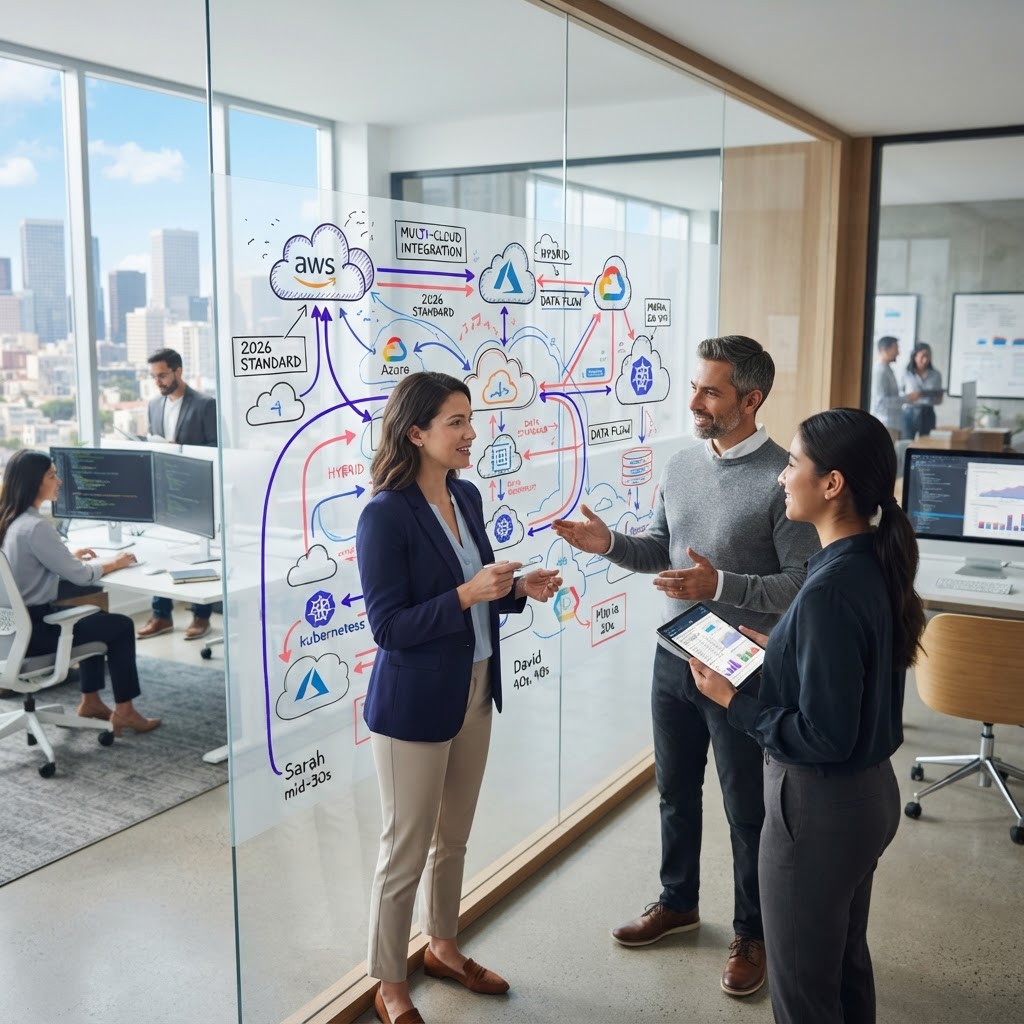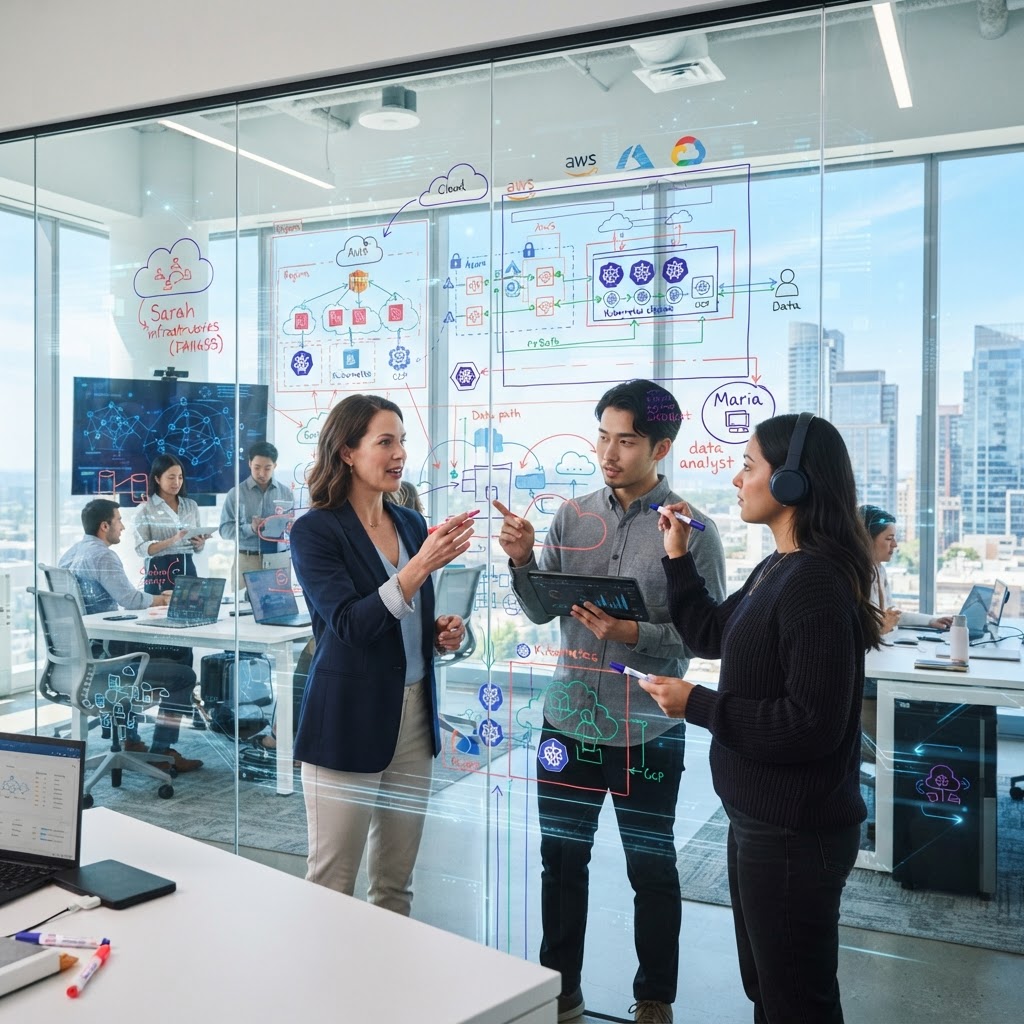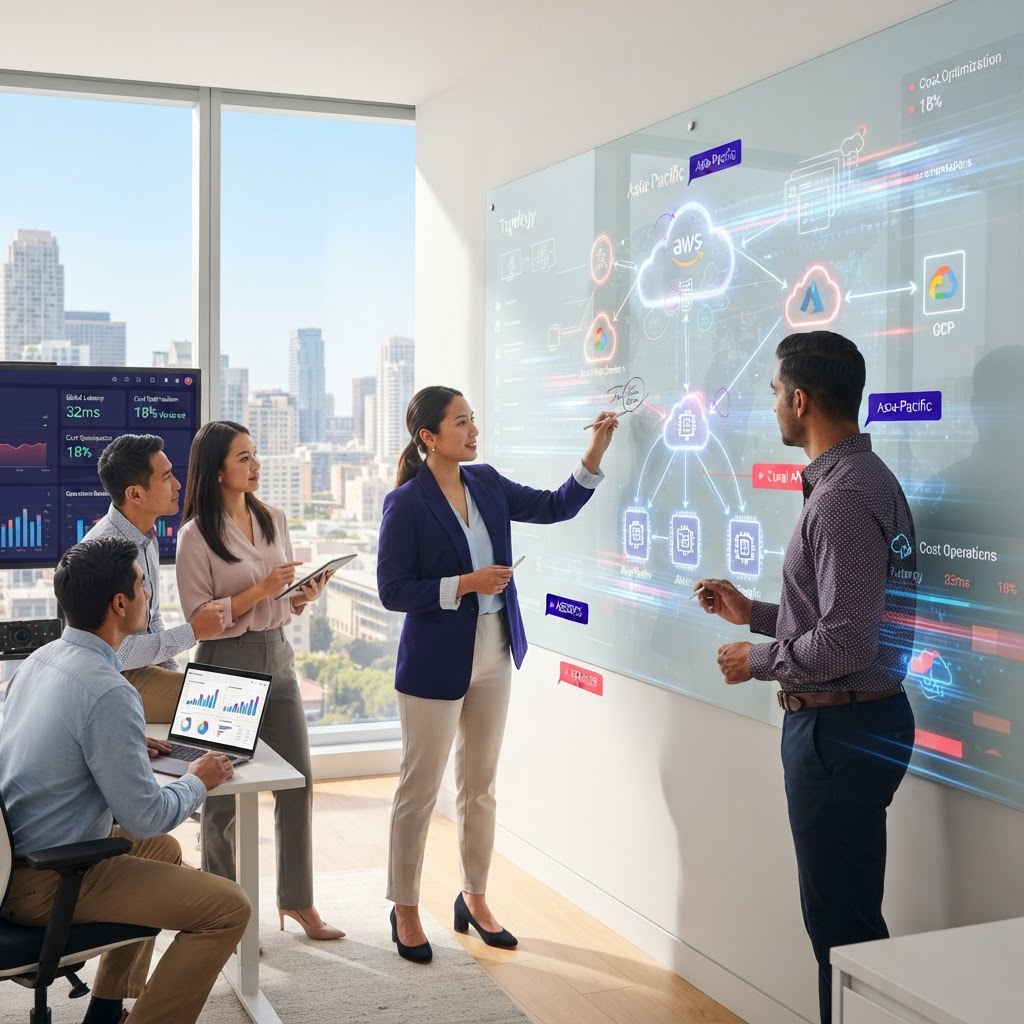
The paradigm shift currently reshaping hyperscale cloud architecture is not merely an incremental upgrade to server density; it is a fundamental reconfiguration of the data center's DNA. As generative AI models transition from experimental pilots to critical enterprise production workloads, the traditional design principles of hyperscalers—Amazon Web Services (AWS), Microsoft Azure, and Google Cloud Platform (GCP)—are being strained. By 2026, the convergence of massive compute demands, thermal limitations, and the move toward sovereign cloud requirements will force a radical departure from the general-purpose cloud architectures that have dominated the last decade. SoftwareVerdict’s analysis indicates that the infrastructure race is no longer just about capacity; it is about the symbiotic optimization of silicon, cooling, and connectivity to support the energy-intensive nature of Large Language Models (LLMs).
The Silicon Diversification Strategy: Beyond General-Purpose Compute
For years, the hyperscaler strategy focused on standardizing x86-based virtual machines. However, the surge in AI training and inference has rendered general-purpose CPUs insufficient. According to a 2024 report by IDC, spending on accelerated compute infrastructure is expected to grow at a compound annual growth rate (CAGR) of over 25% through 2027. We are currently witnessing a shift toward proprietary custom silicon designed specifically for neural network processing.
Hyperscalers are increasingly moving toward a "vertically integrated" stack to mitigate dependency on merchant silicon providers like NVIDIA. Examples include:
- AWS Trainium and Inferentia: Designed to lower the cost-per-inference of transformer models.
- Google’s TPU (Tensor Processing Units): Now in their sixth generation, providing specialized hardware for massive parallelization of matrix operations.
- Microsoft’s Maia AI Accelerator: A custom-designed chip aimed at optimizing the throughput of models like GPT-4.
The trade-off here is significant: while custom silicon offers superior performance-per-watt for specific workloads, it introduces a "vendor lock-in" risk that complicates multi-cloud and hybrid-cloud portability. Organizations must evaluate whether the performance gains of proprietary hardware outweigh the long-term architectural rigidity it imposes on their software stack.
Thermal Constraints and the Liquid Cooling Revolution
As rack power densities climb beyond 50kW to 100kW per rack, air cooling has hit a physical ceiling. The laws of thermodynamics are forcing hyperscalers to overhaul their data center facilities. By 2026, the adoption of Direct-to-Chip (D2C) liquid cooling will move from a niche deployment to a mandatory standard for AI-heavy clusters.
"The thermal footprint of modern AI clusters is necessitating a wholesale redesign of the mechanical infrastructure within hyperscale data centers. The transition from legacy air cooling to advanced liquid-to-chip architectures is not merely an efficiency upgrade; it is a prerequisite for sustaining high-compute density at scale," notes SoftwareVerdict’s lead infrastructure analyst.
This shift introduces new operational challenges. Unlike traditional air-cooled environments, liquid-cooled data centers require more complex facility management, leak detection, and specialized maintenance protocols. For enterprise software architects, this means the physical location of a cloud region may soon influence compute performance—regions that have been retrofitted for high-density cooling will become the primary targets for training high-parameter LLMs.
Distributed Inference and the Edge AI Convergence
The centralized model of cloud computing is seeing a pushback as latency-sensitive AI applications—such as autonomous manufacturing, real-time medical imaging, and smart city infrastructure—demand compute closer to the data source. By 2026, we anticipate that hyperscalers will treat "Edge Infrastructure" as an extension of their core backbone, utilizing high-speed 5G integration and local inference micro-clusters.
The trend is moving toward a hybrid model where large-scale training happens in the "hyperscale core," while specialized, quantized inference models are deployed to edge locations. According to Gartner, by 2027, more than 50% of generative AI models will be deployed at the edge, requiring robust management platforms that ensure consistency between cloud-based training environments and edge-based inference runtimes.
Key technical hurdles in this transition include:
- Model Quantization: Reducing model precision (e.g., from FP32 to INT8) to fit within edge compute constraints.
- Orchestration Complexity: Using platforms like Kubernetes (K8s) to manage heterogeneous clusters across distributed sites.
- Security and Governance: Applying NIST-compliant security frameworks across remote physical locations where hardware tamper-proofing is more difficult.
The Energy Dilemma: Sustainability as a Performance Metric
The explosive demand for AI compute has brought the environmental footprint of hyperscalers into sharp focus. With environmental, social, and governance (ESG) reporting becoming increasingly standardized under frameworks like the Corporate Sustainability Reporting Directive (CSRD), energy efficiency is no longer just a cost-saving measure—it is a procurement requirement.
Hyperscalers are facing intense pressure to balance the high power demand of GPUs with commitments to net-zero emissions. This has led to:
- Strategic Investment in Small Modular Reactors (SMRs): To provide consistent, carbon-free baseload power.
- AI-Driven Energy Management: Using machine learning to optimize cooling and server utilization dynamically, reducing wasted energy during idle cycles.
- Renewable Energy Credits (RECs) vs. 24/7 Matching: A shift from buying credits to ensuring that for every hour of consumption, a matching amount of carbon-free energy is injected into the grid.
From a SoftwareVerdict procurement perspective, it is critical for organizations to assess a hyperscaler’s "PUE" (Power Usage Effectiveness) and water consumption metrics when evaluating long-term vendor commitments. A data center that is not energy-optimized today may face significant carbon-tax-related price hikes by 2026.
Conclusion and Procurement Outlook
The infrastructure trends toward 2026 suggest a cloud environment that is more specialized, geographically distributed, and thermally demanding than ever before. For businesses, the takeaway is clear: the era of treating cloud infrastructure as a homogenous commodity is over. Organizations must adopt an "infrastructure-aware" software development strategy, where the choice of cloud vendor, region, and hardware instance is deeply integrated into the CI/CD pipeline and the application's design phase.
As you navigate these changes, SoftwareVerdict recommends a structured approach to your procurement strategy. Focus on:
- Assessing Portability: Ensure your orchestration layers are cloud-agnostic to avoid entrapment in proprietary AI silicon stacks.
- Evaluating Latency Profiles: Map your workload requirements against the rollout of edge-compute infrastructure in your target regions.
- Benchmarking Sustainability: Incorporate the energy efficiency of your selected cloud infrastructure into your internal ESG reporting.
Transparency Note: SoftwareVerdict provides independent research based on public filings, technical documentation, and analyst benchmarking. We do not receive compensation from hyperscalers for these insights. For a detailed comparative audit of current hyperscale AI service offerings, please consult our proprietary "2025 Cloud Infrastructure Matrix" available to premium members.
Are you ready to optimize your infrastructure for the next wave of AI? Contact our advisory team today for a custom assessment of your cloud architecture roadmap.