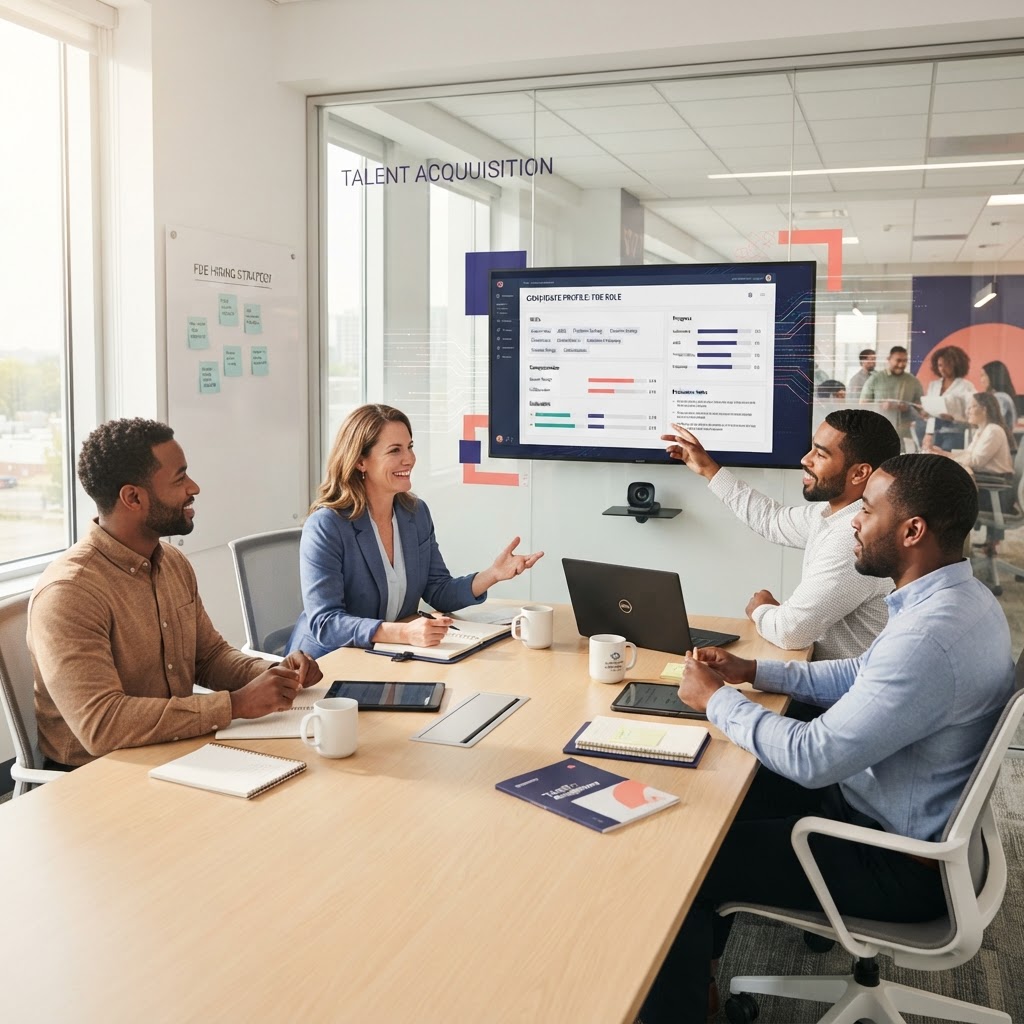
The modern enterprise is no longer defined merely by its physical footprint or its market capitalization, but by the agility of its human capital management (HCM) systems. As organizations shift toward distributed, hybrid, and globalized workforce models, legacy HR systems—often built on fragmented, on-premises architectures—are buckling under the weight of data silos and operational inefficiency. For HR leaders and CIOs, the imperative is clear: modernizing the HR technology stack is no longer an optional "digital transformation" project; it is a fundamental requirement for business continuity and talent retention. At SoftwareVerdict, our research consistently shows that organizations clinging to legacy systems face a "technical debt tax," manifesting as higher turnover, compliance exposure, and an inability to leverage the predictive analytics necessary to win the war for talent.
The Architecture of Obsolescence: Why Legacy Systems Fail
The primary driver for HR tech modernization is the systemic fragility of legacy platforms. Many organizations still rely on tiered, monolithic architectures that were never designed for the API-first, mobile-centric world. According to a recent report by Gartner, by 2025, over 60% of global enterprises will have shifted their HR technology strategy toward a "composable" approach, moving away from all-in-one suites that fail to deliver specific functional excellence.
In our experience evaluating hundreds of enterprise-grade deployments, the most common failure points include:
- Data Latency: Legacy systems often rely on batch processing, meaning leadership decisions on workforce planning are made using data that is weeks old.
- Integration Friction: Point solutions for payroll, benefits, and performance management often suffer from "integration hell," where middleware costs eventually exceed the cost of the software itself.
- User Experience (UX) Gap: Talent expectations have shifted. Modern employees demand the same seamless, intuitive UI/UX they experience in their personal consumer tech. Failure to provide this leads to low adoption rates and poor data integrity.
However, modernization is not without trade-offs. The "rip-and-replace" approach is fraught with risk. Migrating decades of historical employee data into a cloud-native SaaS environment carries significant data integrity risks and the potential for prolonged operational downtime. Expert teams must conduct a thorough impact analysis—weighing the sunk cost of existing systems against the long-term ROI of a modular, cloud-first architecture.
Data Security and Compliance in the SaaS Era
Moving HR functions to the cloud shifts the burden of security from internal IT teams to SaaS vendors, but it does not remove the compliance responsibility from the organization. As firms migrate sensitive PII (Personally Identifiable Information) to cloud providers, they must align with globally recognized standards such as ISO/IEC 27001 and SOC 2 Type II.
"The risk profile of HR data has evolved exponentially. Today, the challenge isn't just about protecting internal payroll files; it’s about securing a distributed ecosystem of APIs and third-party integrations that touch employee data across every stage of the lifecycle. A breach in a third-party recruitment tool can lead to the same regulatory fallout as a breach in your core HRIS." — SoftwareVerdict Research Analyst Team
When evaluating vendors for modern HR tech, we advise organizations to verify the following security maturity markers:
- Data Sovereignty: Ensure the vendor supports regional data residency requirements, particularly critical for organizations operating under GDPR or CCPA frameworks.
- Encryption Standards: Look for AES-256 encryption at rest and TLS 1.3 in transit.
- Identity Management: Native support for SAML 2.0 and SCIM (System for Cross-domain Identity Management) to ensure automated user provisioning and de-provisioning.
The Shift Toward Composable HR Ecosystems
We are seeing a definitive shift away from "Suite-ism"—the idea that a single vendor can provide the "best-of-breed" tool for every HR function. While major vendors like Workday or SAP SuccessFactors offer robust foundations, the future belongs to ecosystems that prioritize interoperability.
A composable HR architecture allows firms to swap out individual components—such as a benefits enrollment tool or a performance management module—without disrupting the entire core HRIS (Human Resource Information System). This agility is the hallmark of high-performing modern enterprises. To achieve this, your IT and HR teams must prioritize:
- API-First Procurement: Mandate that every new software vendor provides documented, versioned REST APIs.
- Middleware Resilience: Invest in iPaaS (Integration Platform as a Service) solutions like Mulesoft or Workato to act as the "connective tissue" between your disparate cloud applications.
- Vendor Neutrality: Avoid restrictive long-term contracts that lock your data into proprietary formats, preventing future migrations.
Navigating the Implementation Lifecycle: Lessons from the Field
Even the best technology fails when the implementation strategy is flawed. In our field observations, organizations often underestimate the "human side" of digital transformation. According to research from McKinsey & Company, 70% of digital transformations fail due to resistance from employees and a lack of executive sponsorship.
The most successful implementations we have audited at SoftwareVerdict share a common deployment pattern:
- Phased Pilot Testing: Rather than a "big bang" rollout, prioritize high-impact functions like payroll or self-service portals to build internal trust.
- Data Cleansing: Treat the migration as an opportunity to purge "dirty data." Migrating legacy errors into a new cloud system simply creates a faster, more efficient way to process bad information.
- Continuous Feedback Loops: Establish a dedicated HR-Tech steering committee that includes end-users, not just executives, to evaluate UX challenges early in the implementation cycle.
It is important to acknowledge that modernization is an iterative process, not a destination. Gartner identifies this as "Continuous HR Technology Transformation." Organizations should anticipate that their tech stack will require re-evaluation every 3-5 years as new innovations, such as generative AI in recruitment or automated workforce planning, continue to disrupt the market.
Future-Proofing Through Predictive Analytics
Modernization is ultimately about unlocking insights. Legacy systems are excellent at recording history, but modern platforms are designed to predict the future. By unifying data across the HR tech stack, organizations can begin to leverage machine learning for attrition prediction, skills gap analysis, and diversity and inclusion (D&I) benchmarking.
However, the ethical implementation of AI in HR is critical. Organizations must ensure that any predictive modeling is audited for bias and aligns with the NIST AI Risk Management Framework. Transparency is not just a regulatory requirement; it is a prerequisite for maintaining employee trust when algorithmic decision-making begins to impact career trajectories and performance reviews.
Conclusion
Modernizing your HR technology stack is a complex, high-stakes endeavor that requires balancing operational efficiency with rigorous security and compliance standards. While the technical challenges—such as cloud migration and API integration—are significant, the most daunting barrier remains the organizational inertia that favors the status quo. By adopting a modular, API-first architecture and prioritizing data integrity, your organization can move from a reactive, administrative function to a strategic driver of talent success.
Transparency Note: SoftwareVerdict provides independent research and benchmarking. While our analysis is based on industry data and best practices, procurement decisions should always include a detailed assessment of your organization’s unique scale, budget, and specific operational requirements.
Are you ready to audit your current HR tech infrastructure? Contact our analyst team at SoftwareVerdict today to learn how our proprietary evaluation frameworks can help you identify your modernization bottlenecks and build a roadmap for a more agile, secure, and data-driven HR ecosystem. Get in touch with our experts today.