

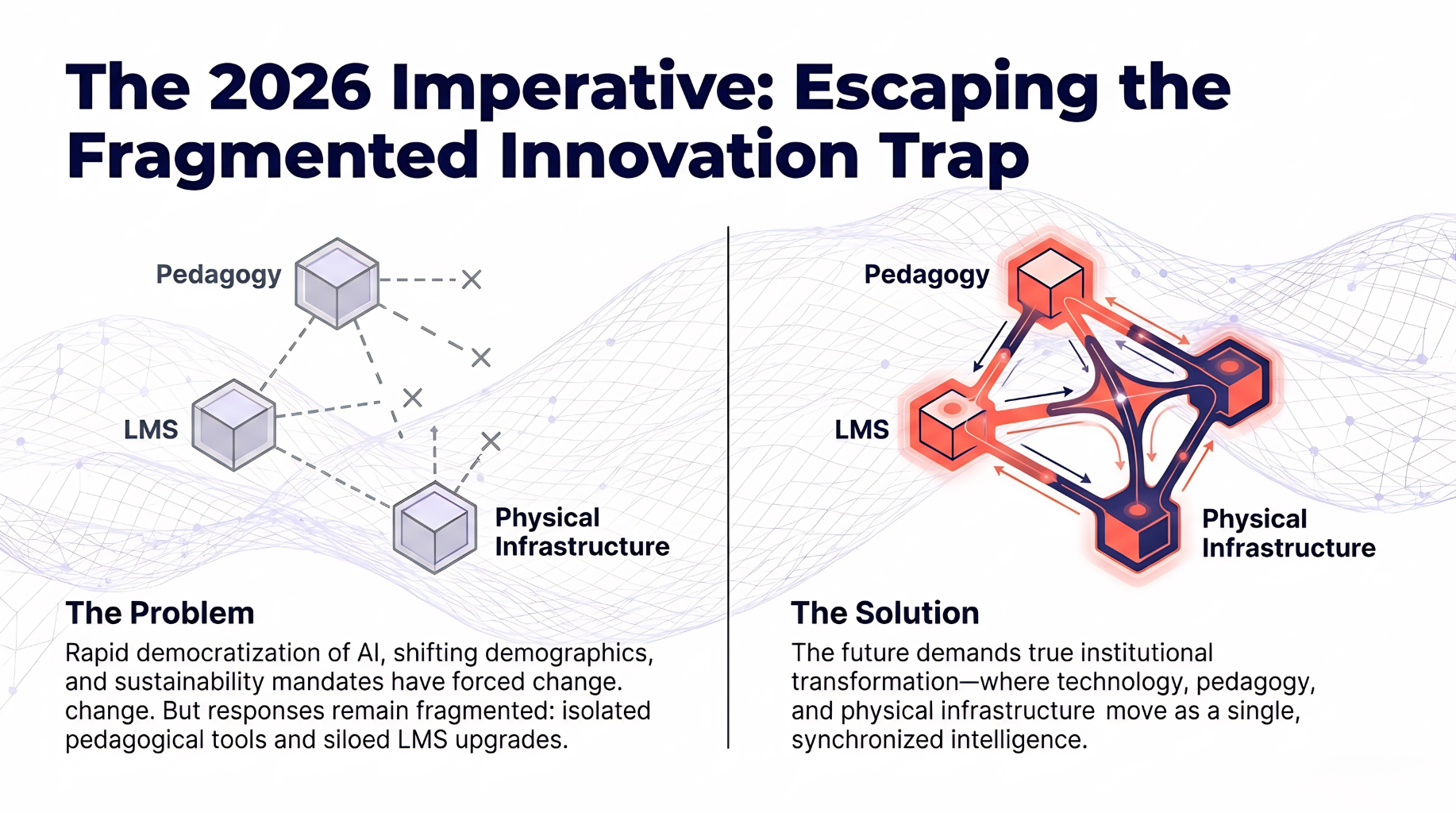
In 2026, global higher education stands at a precarious intersection. The rapid democratization of artificial intelligence, shifting demographics in lifelong learning, and an urgent mandate for institutional sustainability have forced universities to rethink their foundational models. Yet, across the globe, the response has often been fragmented: a new pedagogical tool deployed here, an upgraded learning management system installed there. True institutional transformation—where technology, pedagogy, and physical infrastructure move as a single, synchronized organism—remains exceedingly rare.
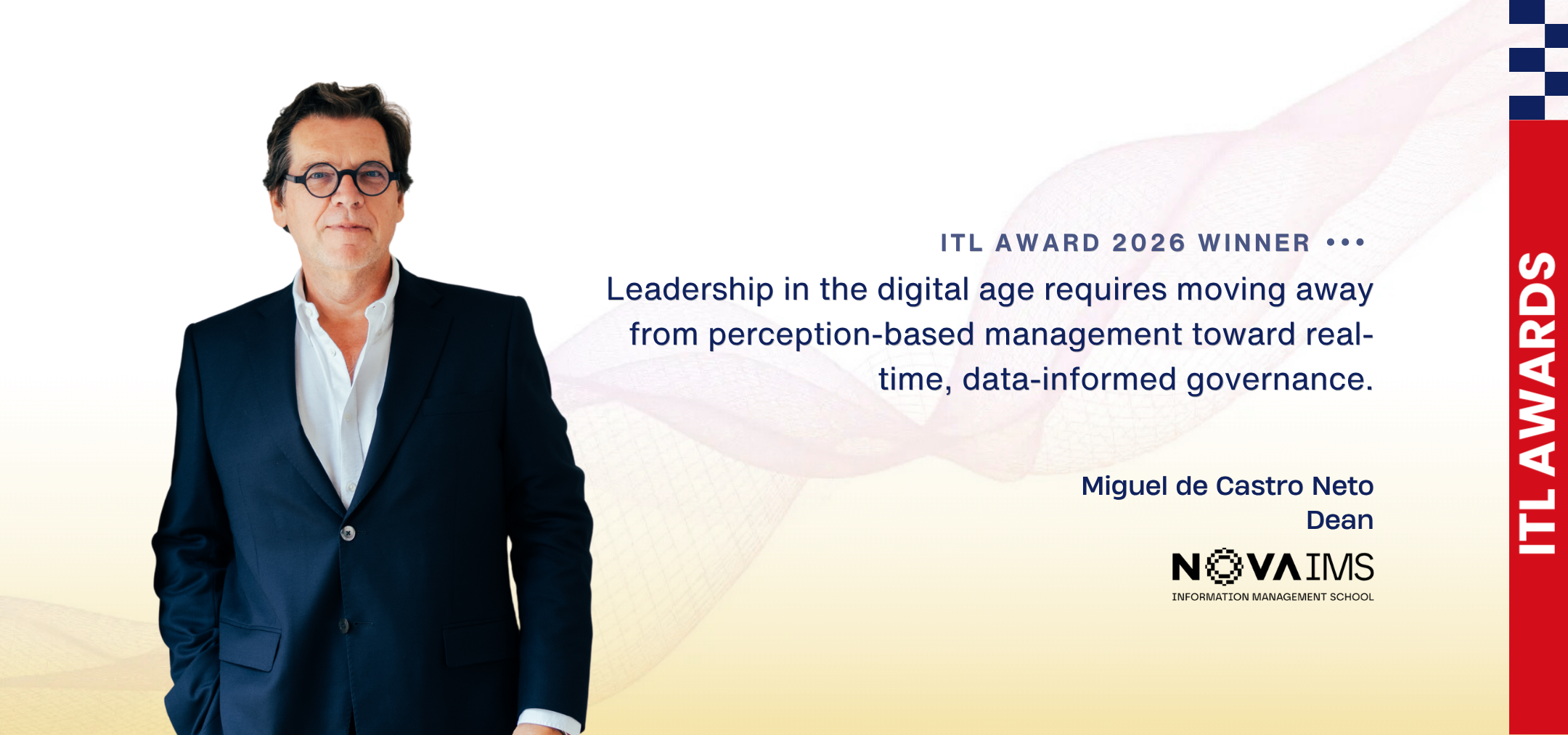
It is within this challenging landscape that the SoftwareVerdict® ITL Awards 2026 recognize a leader who has fundamentally rewritten the blueprint for the modern university. Miguel de Castro Neto, Dean of the NOVA Information Management School (NOVA IMS) in Lisbon, Portugal, has not merely adapted his institution to the digital age; he has architected a comprehensive, data-driven educational ecosystem. Managing a diverse community of 3,840 students representing 104 nationalities, his leadership proves that the most resilient universities of the future will be those that embed intelligence into their very DNA.
His recognition by the ITL Jury is a testament to a philosophy that transcends standard administrative leadership. By leveraging a unique “multi-lens perspective”—forged through years of experience as an academic dean, a researcher, and a high-level national policymaker—Miguel de Castro Neto has proven that academic growth, institutional resilience, demographic inclusion, and digital readiness are not competing priorities. They are interconnected pillars of a single, unified strategy.
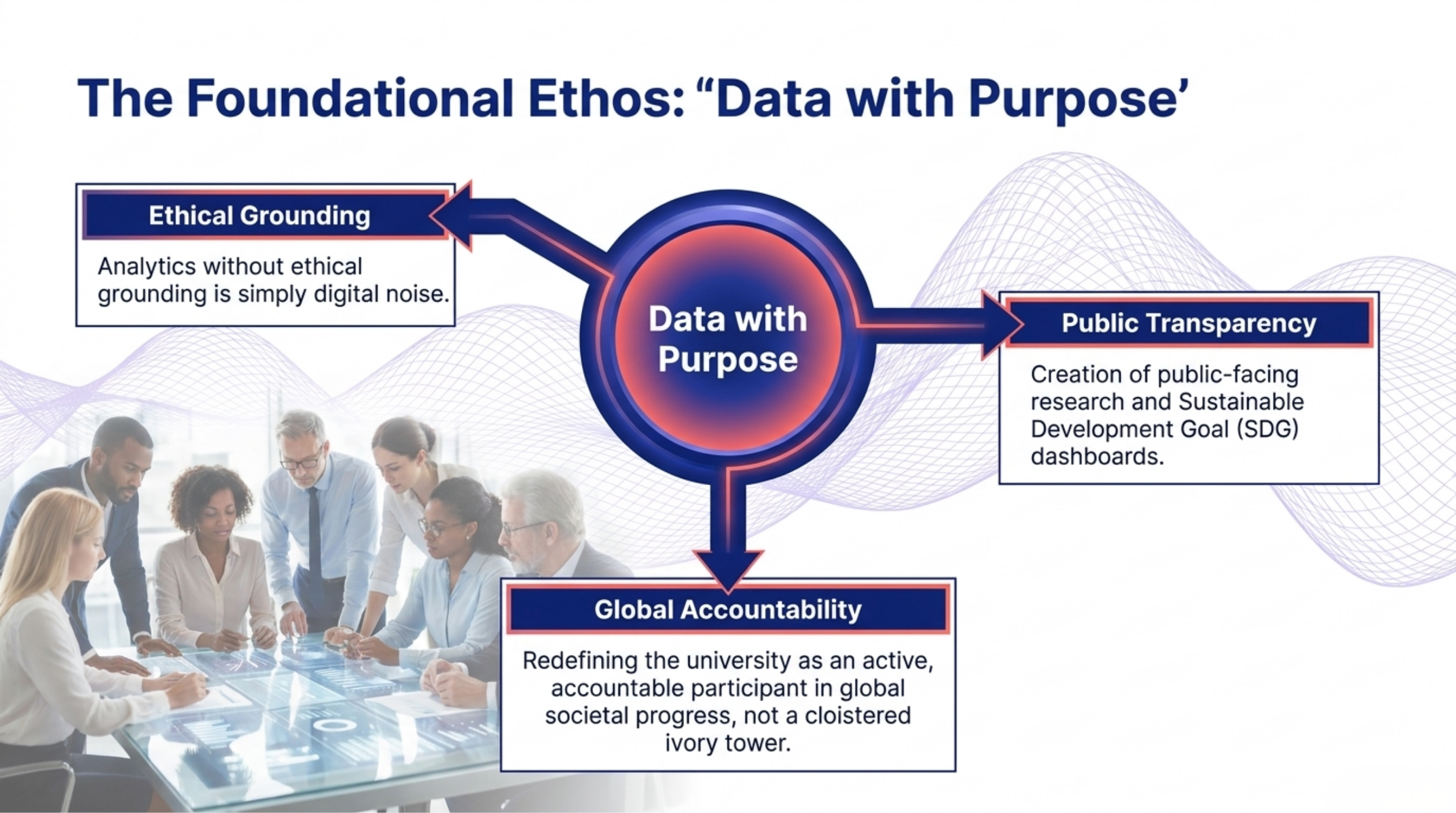
At the heart of Miguel de Castro Neto’s transformative leadership is a deceptively simple yet profoundly impactful motto: Data with Purpose. In an era where institutions are drowning in analytics, he recognized early on that data without ethical grounding or public value is simply digital noise.
For NOVA IMS, “Data with Purpose” means that analytics must go far beyond optimizing operational efficiency or maximizing student enrollment. It dictates that every byte of institutional data must be leveraged to drive transparency, sustainability, and tangible social impact. This philosophy redefines the university not as a cloistered ivory tower, but as an active, accountable participant in global societal progress.
This ethos is vividly demonstrated in his commitment to transparency and public value. Rather than keeping institutional performance hidden behind closed boardroom doors, he championed the creation of public-facing research and Sustainable Development Goal (SDG) dashboards. By openly mapping the university’s operations and academic outputs to global sustainability targets, he has established a new benchmark for institutional accountability. He believes that to prepare students for an increasingly complex, data-driven world, the university itself must embody the responsible, value-creating use of information that it seeks to teach.
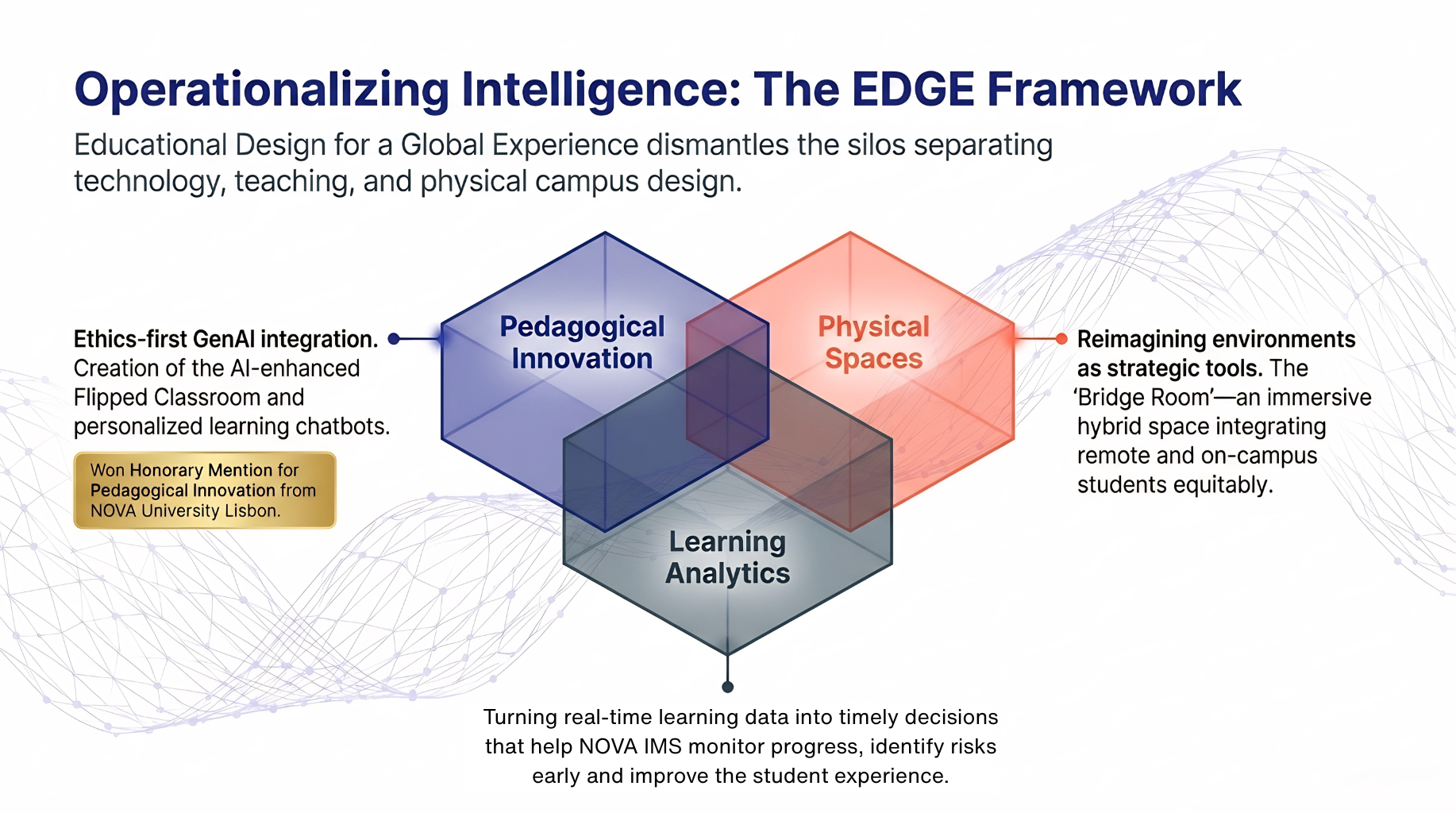
The operationalization of this philosophy is the EDGE strategy—Educational Design for a Global Experience. Dean Miguel de Castro Neto designed EDGE as a school-wide framework intended to dismantle the silos that typically separate technology, teaching, and physical campus design. EDGE rests on three essential pillars: pedagogical innovation, learning spaces, and learning analytics.
Under the umbrella of pedagogical innovation, he spearheaded the responsible, ethics-first integration of generative AI into the curriculum. Moving past the initial industry panic surrounding AI, he developed a faculty model grounded in critical testing, task automation, and applied research. This led to pioneering approaches like the AI-enhanced Flipped Classroom and personalized learning chatbots. This gamified, culture-building initiative—recognized with an Honorary Mention for Pedagogical Innovation from NOVA University Lisbon—ensured that AI literacy became a shared institutional capability, rather than a niche technical skill reserved only for computer science departments. Furthermore, he launched the NOVA Learning Challenges in AI and Productivity, an initiative that mobilized students, faculty, and staff to practically and ethically apply AI to everyday challenges.
The second pillar of EDGE completely reimagined the physical campus as a strategic pedagogical tool. Dean Miguel de Castro Neto oversaw the creation of environments like the “Bridge Room,” a flagship immersive hybrid learning space. The Bridge Room seamlessly integrates on-campus and remote students into a single, high-fidelity collaborative environment, ensuring equitable access to active participation regardless of geography. Coupled with an expanded network of NOVA Analytics Labs, where research challenges function as living laboratories for applied student projects, he has ensured that the physical and digital campuses are inextricably linked.
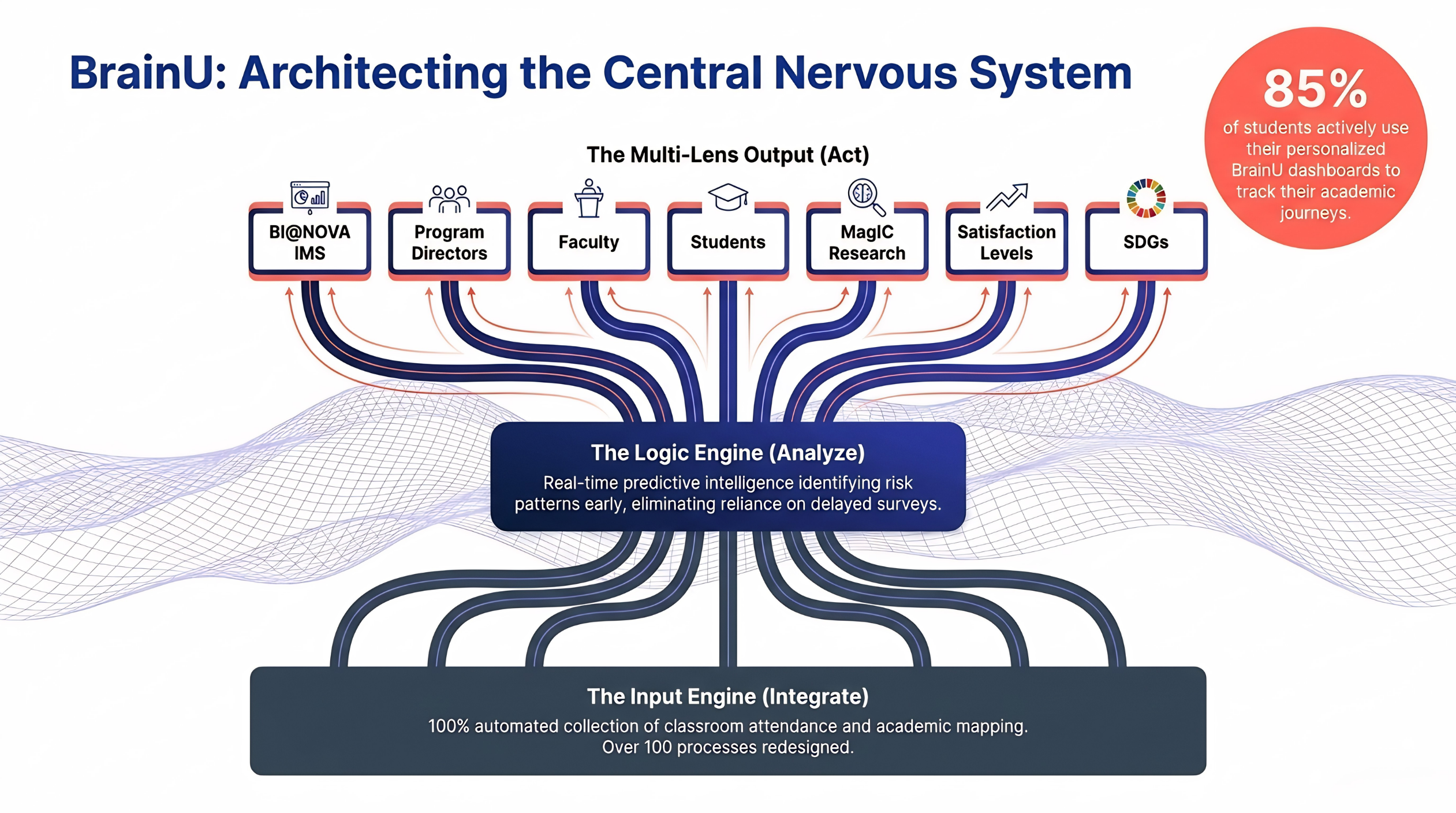
If the EDGE framework is the body of NOVA IMS’s transformation, BrainU is its central nervous system. Driven by Dean Miguel de Castro Neto, BrainU is the analytics component of EDGE, serving as a stakeholder-centric ecosystem built on a simple but radical logic: Integrate, Analyze, and Act.
Traditionally, university leadership relies on historical reports—looking backward to see what happened last semester. BrainU shifts the paradigm entirely to real-time, predictive intelligence. It operates through seven distinct analytical “lenses” tailored to specific roles: BI@NOVA IMS for executive management, alongside dedicated cockpits for Program Directors, Faculty, and Students, plus dashboards for the MagIC Research Center, Satisfaction Levels, and SDGs.
The implementation of BrainU required mapping and redesigning over 100 academic and administrative processes. Today, it has achieved 100% automation of classroom attendance collection, and remarkably, over 85% of students actively use their personalized dashboards to track their academic journeys. For faculty and program directors, BrainU is a revolutionary tool that identifies risk patterns early, allows for real-time pedagogical alignment, and drastically reduces administrative reporting workloads. Decisions are no longer based on administrative intuition or delayed surveys; they are grounded in real-time, integrated data that allows leaders to intervene and support students while there is still time to make a difference.
Perhaps the most daring aspect of BrainU was Dean Miguel de Castro Neto’s decision to build this massive, complex infrastructure entirely in-house. While other universities spend millions licensing rigid, vendor-led software, he leaned into NOVA IMS’s core expertise. Leveraging the talent from their Master’s in Business Intelligence program—ranked Best in the World for seven consecutive years by EDUNIVERSAL, a program Miguel de Castro Neto himself created and still teaches in—he ensured the system was built with precise contextual relevance. This high-risk, high-reward strategic choice guaranteed full institutional ownership, rapid iteration, and immense long-term resilience. The brilliance of this move was validated externally when BrainU won the Best Education Project at the 2024 Portuguese Digital Awards by IDC Portugal.
To understand the scale and success of Dean Miguel de Castro Neto’s vision, one must look at his career outside the walls of academia. He is a leader who connects institutional performance with broad public value because he has spent years doing exactly that on a national scale.
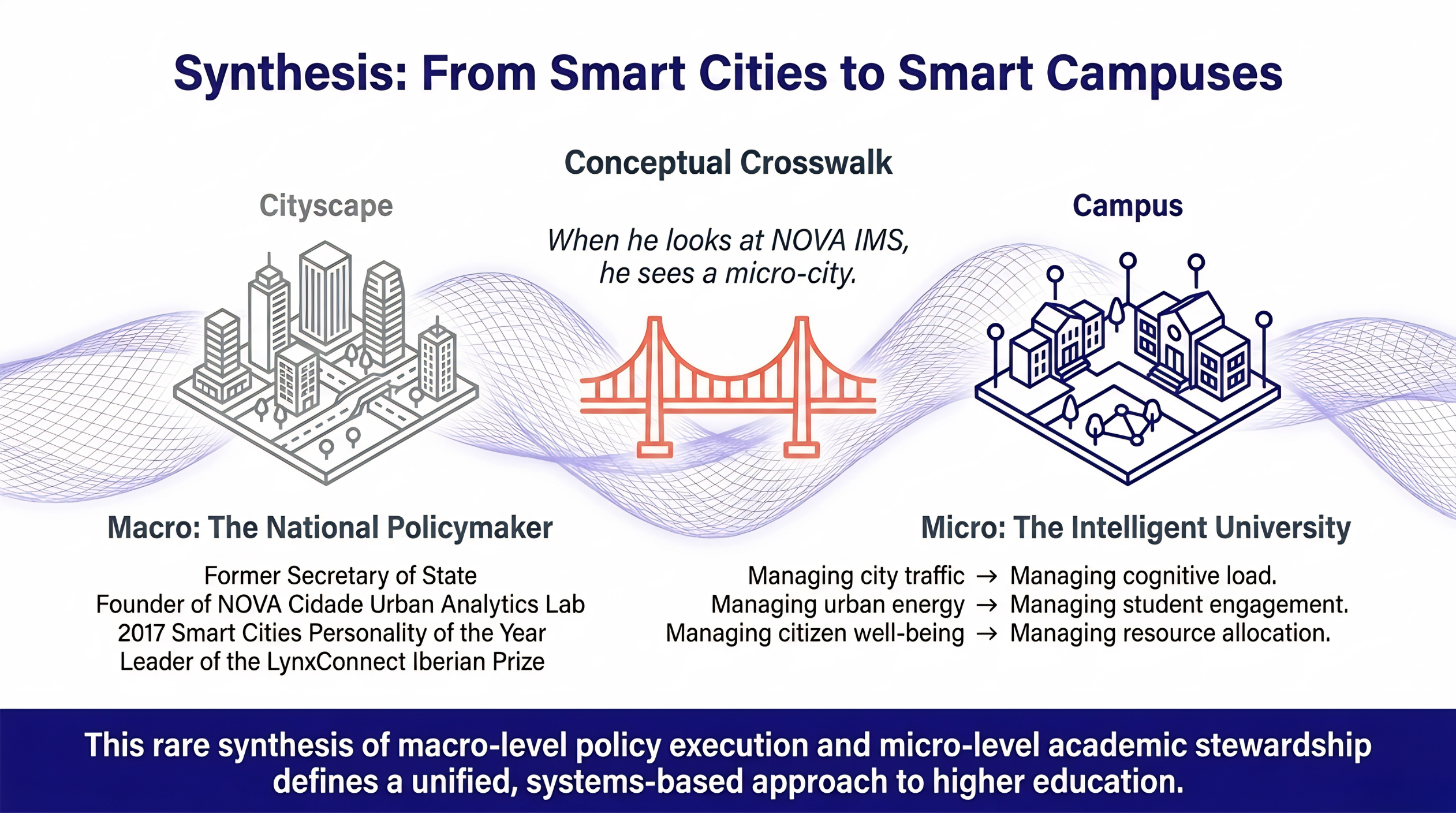
As a former Secretary of State for Spatial Planning and Nature Conservation in Portugal, he led monumental national initiatives, including the Sustainable Cities Strategy and sweeping Spatial Planning Reform. He was instrumental in the reintroduction of the Iberian lynx—one of the most successful biodiversity recovery projects globally—earning him the LynxConnect Iberian Prize. He also founded the NOVA Cidade – Urban Analytics Lab, an interdisciplinary hub advancing data-driven public policy, and was named Smart Cities Personality of the Year in 2017.
When he looks at NOVA IMS, he does not just see a school; he sees a micro-city. His background in urban analytics and national policy directly informs his “systems-based” approach to education. Just as a smart city uses data to manage traffic, energy, and citizen well-being, he uses BrainU and EDGE to manage cognitive load, student engagement, and resource allocation. It is this rare synthesis of macro-level policy execution and micro-level academic stewardship that makes his leadership entirely unique in the global education sector.
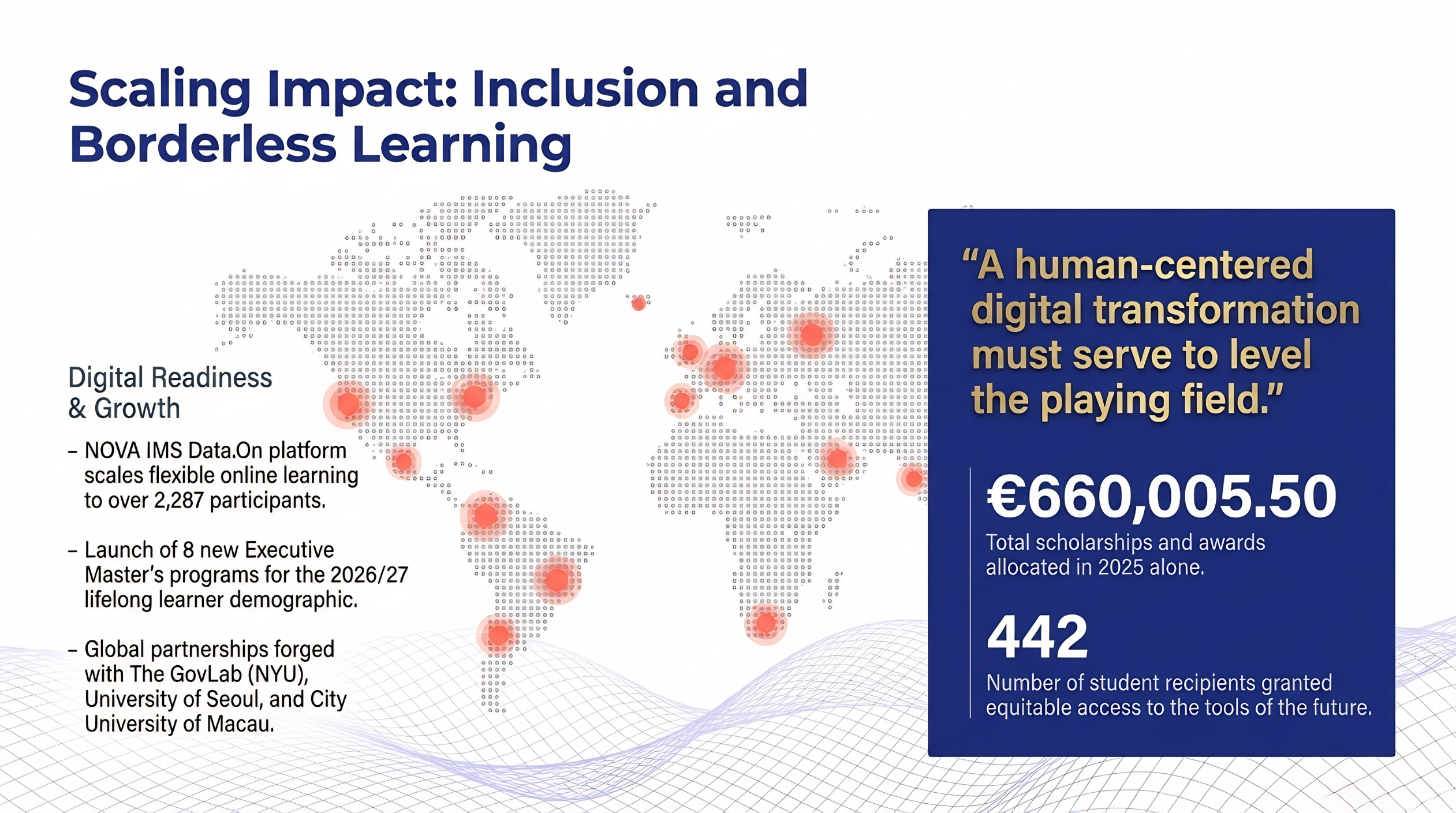
A truly transformative leader understands that digital readiness and institutional growth must be matched by a deep commitment to inclusion. Under his stewardship, NOVA IMS has expanded its portfolio to directly meet the demands of a rapidly evolving, data-driven economy. Looking toward 2026/27, the school is launching eight new Executive Master’s programs to serve the lifelong learner demographic. Furthermore, the scaling of the NOVA IMS Data.On platform has brought flexible, high-quality online learning to over 2,287 participants, breaking down geographical and socio-economic barriers to elite education.
He has also aggressively pursued an internationalization strategy that places NOVA IMS on the global map. By establishing high-impact partnerships with institutions like The GovLab at New York University, the University of Seoul, and the City University of Macau, he has ensured that the curriculum remains globally relevant and diverse.
Yet, amid all this technological expansion, the human element remains paramount. In 2025 alone, NOVA IMS allocated an astounding €660,005.50 in scholarships and awards to 442 students. This massive financial commitment underscores his belief that a human-centered digital transformation must ultimately serve to level the playing field, ensuring equitable access to the tools of the future.
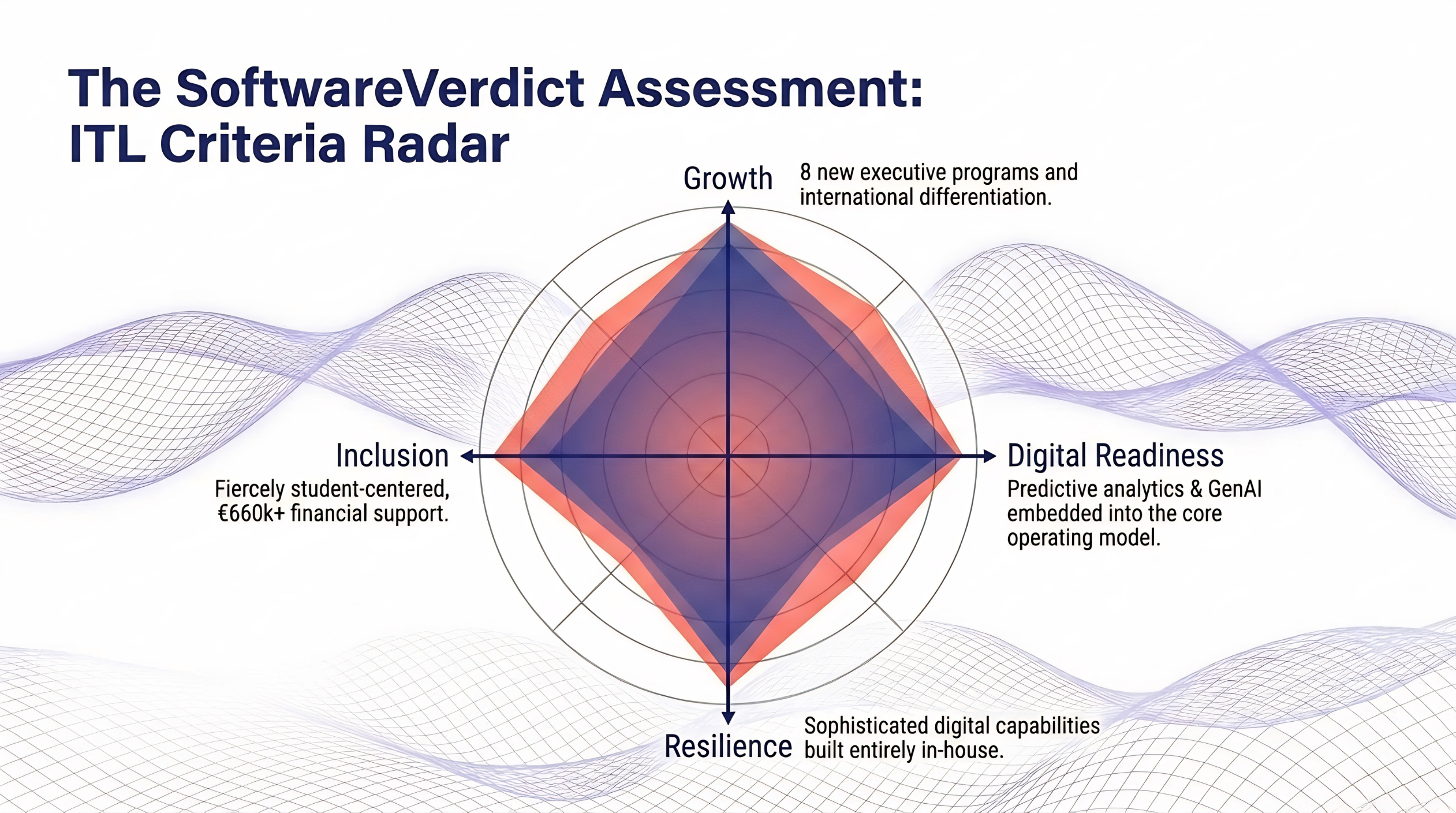
The SoftwareVerdict® ITL Awards celebrate leaders who embody Growth, Resilience, Inclusion, and Digital Readiness. Dean Miguel de Castro Neto is the living embodiment of this framework. He has achieved growth through program expansion and international differentiation; resilience by deliberately building sophisticated digital capabilities in-house; inclusion through a fiercely student-centered, financially supportive environment; and digital readiness by embedding predictive analytics and generative AI into the institution’s core operating model.
As higher education moves deeper into the 21st century, the challenges of delivering relevant, engaging, and scalable learning will only intensify. Institutions can no longer afford to treat digital transformation as an IT project; it must be a holistic, culturally embedded reality. Dean Miguel de Castro Neto has proven that with a “Data with Purpose” philosophy, a university can become more than just a place of learning. It can become an intelligent, empathetic, and resilient ecosystem—built not just to survive the future, but to actively design it.
© 2026 SoftwareVerdict | All rights reserved
SoftwareVerdict and its logo are trademarks of SoftwareVerdict.